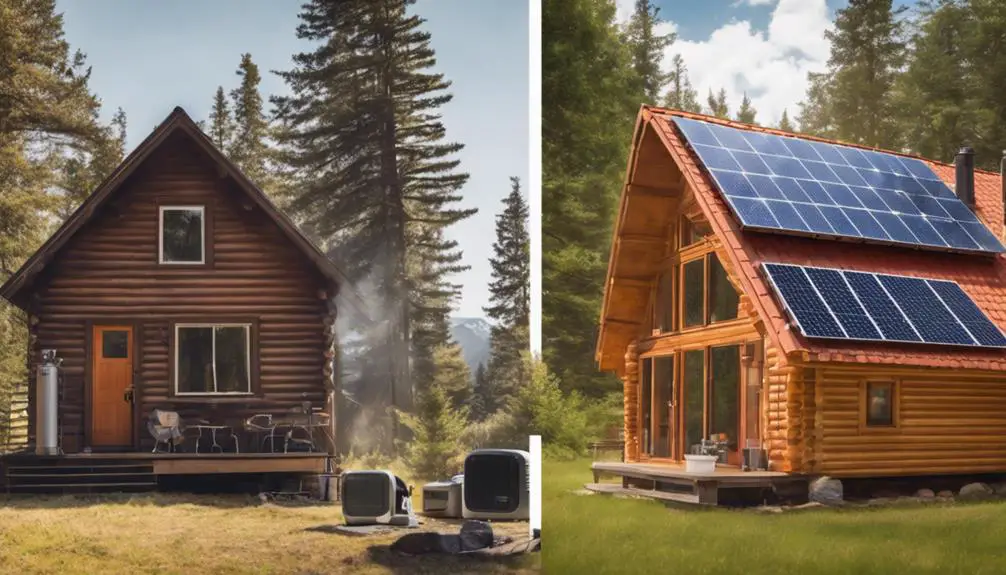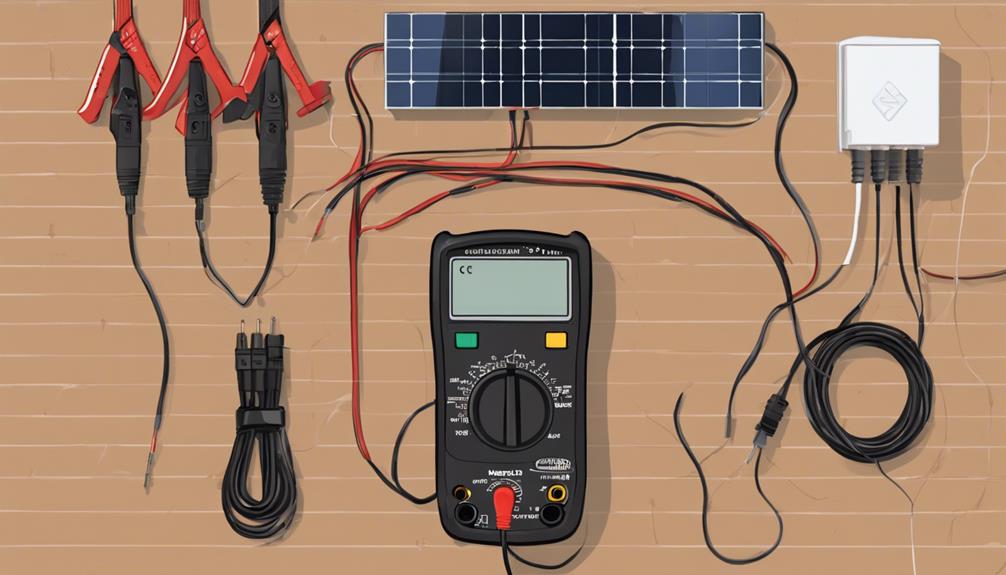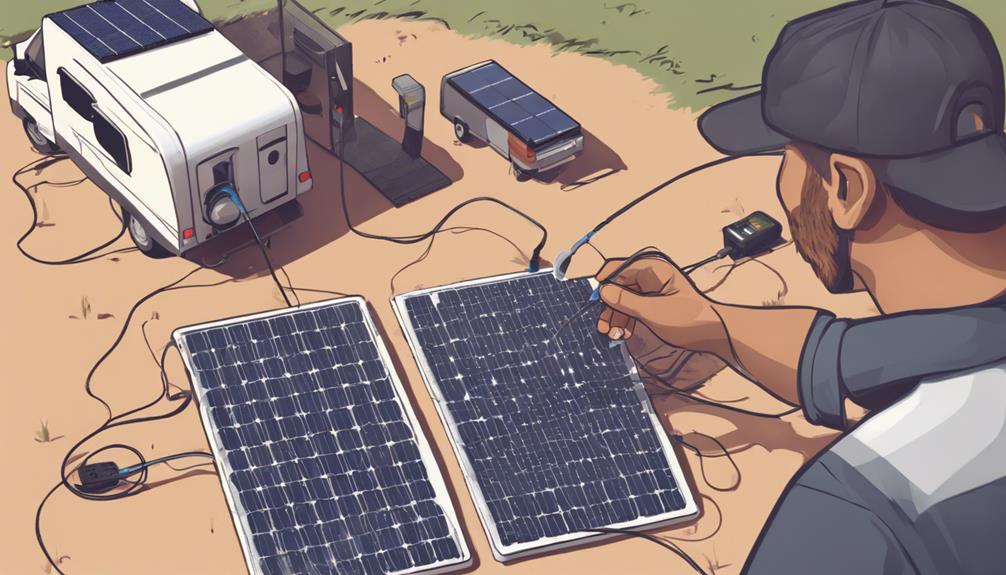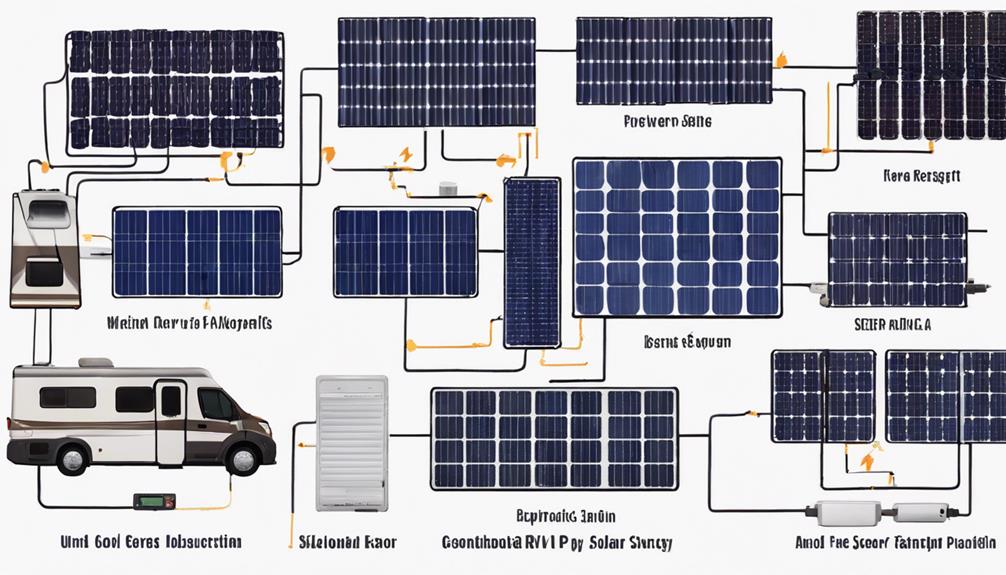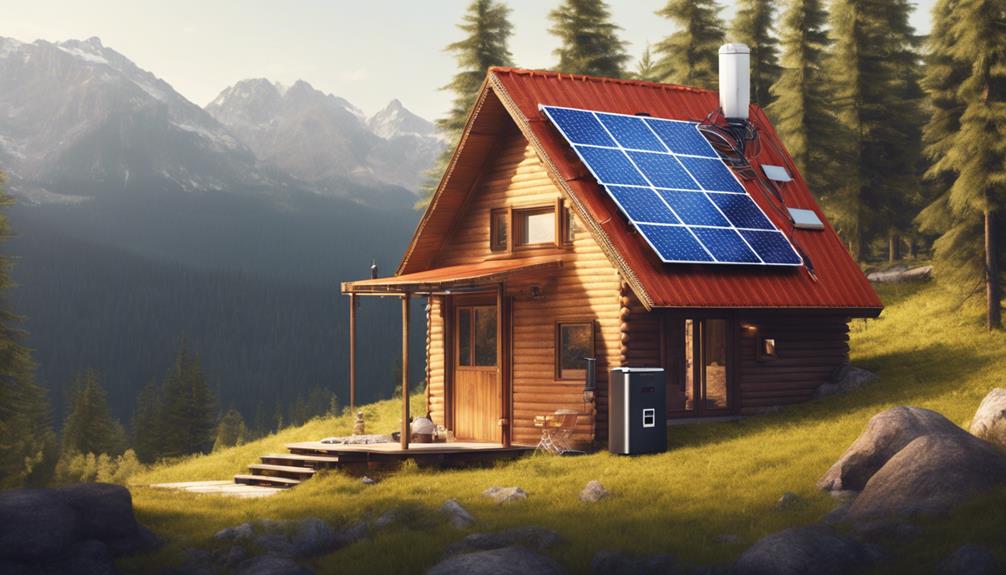
An off‑grid PV system with energy storage (solar‑plus‑storage) can power a remote cabin reliably if it is sized and sited to match the cabin’s loads, the local solar resource, and expected seasons of use. This article is a planning and decision guide: it explains what to inventory, which component capacities matter, how to compare roof and ground arrays, when a generator is useful, and what safety, permitting, and maintenance issues to consider. It is not a wiring manual—permanent electrical work should be designed and inspected by qualified professionals.
Decide what the system must power
Start with a load inventory. List every appliance or device, its wattage, and hours used per day to produce watt‑hours per day (Wh/day):
- Lighting, electronics, communications
- Refrigerator/freezer and seasonal heating or fans
- Well pump and water systems (note starting/surge watts)
- Kitchen appliances and occasional power tools
- Standby loads such as inverters, chargers, and controllers
Also classify loads as continuous, surge/starting, and seasonal. Decide whether you need a full‑house system or a critical‑loads panel for lights, communications, and pumps.
Estimate solar production at the site
PV production depends on latitude, weather, array orientation and tilt, shading, and seasonal extremes. Use a site‑specific model (for example, a reputable solar‑production tool) and run scenarios for the worst‑season (usually winter) as well as annual average conditions. Account for practical losses from shading, soiling, wiring, controller/inverter efficiency, and battery round‑trip losses.
Do not base design on a single sunny‑day assumption—design for the low‑production period that matters for your occupancy and resilience targets.
Size the PV array
Array size is driven by daily energy needs and the expected production per kW of array during the critical season. Consider:
- Daily energy requirement (Wh/day) divided by estimated daily production per kW = required kW of PV
- System losses (inverter, controller, wiring, soiling) that reduce delivered energy
- Available area, roof strength, shading, and access for snow removal
A site with heavy winter demand or long cloudy stretches will need a larger array (or more battery/generator backup) than a site with moderate year‑round sun.
Size the battery bank (ESS)
Battery sizing separates energy capacity (kWh) from power capacity (kW). Energy capacity determines how long the system can run; power capacity determines whether it can start motors and run simultaneous loads.
Use this planning formula as an approximate guide:
Required nominal battery capacity ≈ daily energy use × days of autonomy ÷ usable fraction
Label this as approximate: choose days of autonomy based on climate and access, select a usable fraction consistent with the battery chemistry and allowable DoD (for example, 80% usable for some lithium systems, less for lead‑acid), and include charging and inverter losses. Confirm the battery’s continuous and surge discharge ratings to ensure it can start pumps and compressors. Ensure the battery installation meets manufacturer temperature and ventilation requirements and includes an appropriate BMS for lithium chemistries.
Select inverter and charge control
Choose a grid‑forming (off‑grid/hybrid) inverter that can run independently of utility power and handle surge loads. MPPT charge controllers are commonly used to maximize PV charging efficiency when the controller is separate from the inverter. Verify compatibility among PV string voltages, controller input limits, inverter battery voltage, and battery BMS. If you plan to use a generator, ensure the inverter supports an approved generator input and transfer/charging logic.
Roof mount or ground mount?
Compare options:
- Roof‑mount: fewer trenches, typically cheaper installation, but limited orientation and harder access for cleaning and snow removal; roof condition and structural capacity are critical.
- Ground‑mount: better orientation and tilt options, easier maintenance and snow clearing, but higher cost for foundations, more exposure to wildlife and falling trees, and longer cable runs (consider voltage drop).
Shade analysis and access for maintenance often dictate the best choice more than an initial preference for roof or ground.
Backup generator and load management
A properly specified generator increases resilience during extended cloudy weather, heavy snow, battery failure, or unexpected high loads. Decide whether a generator will charge the battery bank, power loads directly, start automatically, and how it will integrate with transfer equipment. Alternatively, plan load‑shedding and conservation strategies to reduce required generator size.
Permitting, safety, and professional review
Codes, permits, and AHJ requirements vary across jurisdictions. Confirm permitting for PV and battery storage before buying equipment. Prominent safety risks include electric shock, arc‑flash, fall hazards, battery fire, and contact with overhead lines. Do not attempt high‑voltage DC wiring, battery rack installation, or final electrical connections without a qualified installer or electrician. Follow manufacturer guidance for batteries, BMS, ventilation, fire separation, and emergency shutdown procedures.
O&M and monitoring
Use condition‑based maintenance: monitor production and battery state of charge, inspect after storms, clear shading or debris that materially reduces output, and follow manufacturer maintenance schedules for batteries and inverters. Keep system documentation, wiring diagrams, serial numbers, and emergency procedures accessible.
Final planning checklist
- Complete a load list and identify critical loads
- Model worst‑season PV production for your site
- Select days of autonomy and calculate usable battery capacity
- Confirm inverter continuous and surge ratings match peak demand
- Assess array location for shade, snow, wind, and access
- Verify component compatibility (PV, controller, inverter, BMS)
- Decide on generator integration and load management strategy
- Check local permitting and AHJ requirements; obtain professional review where appropriate
- Plan for monitoring, preventive O&M, and replacement schedules
Note: Local permitting, structural, electrical, fire, and battery‑storage requirements must be verified before installation. Complex or permanently wired systems should be designed, installed, and inspected by qualified solar and electrical professionals.