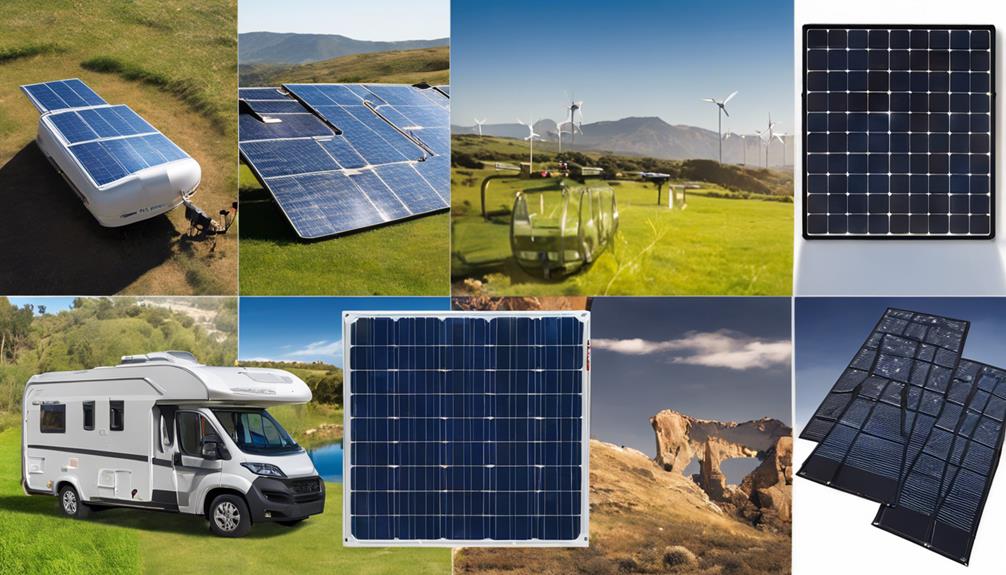
Most rooftop and commercial solar systems generate electricity using the photovoltaic effect. That basic process happens inside silicon-based PV cells and produces direct current (DC) electricity. A complete solar photovoltaic (PV) system—modules, inverters, wiring, and sometimes batteries—then makes that electricity usable for a home or business and for the utility grid.
What happens inside a solar cell?
A PV cell is a semiconductor device, usually made from silicon. When sunlight reaches the cell, packets of light called photons transfer energy to electrons in the silicon. That extra energy allows electrons to move; an internal electric field inside the cell directs their movement so a current flows. Metal contacts on the cell collect that current as direct current (DC) electricity.
Important points to remember:
- Sunlight energizes electrons but does not create them from nothing.
- The process that converts light to electricity is called the photovoltaic effect.
- The cell’s internal electric field and metal contacts produce a usable DC output.
How solar cells become a panel (module) and an array
Individual PV cells are fragile and produce a small amount of power, so manufacturers assemble many cells together into a PV module—what consumers often call a solar panel. Modules are framed, weatherproofed, and fitted with wiring and junction boxes. Multiple modules connected electrically form a PV array. Racking, wiring, safety devices, and monitoring equipment complete the physical installation.
Simple energy flow
To visualize how solar electricity moves:
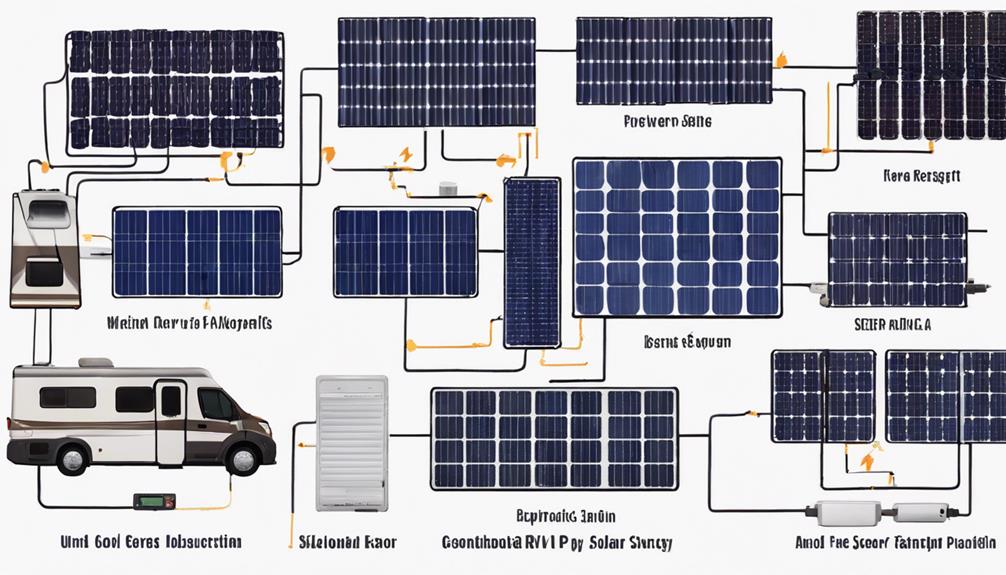
Sunlight → PV cells → DC electricity → inverter → household loads and/or battery → utility grid
How solar electricity powers a home
In a grid-connected home, electricity produced by the modules is first DC. An inverter converts that DC to alternating current (AC), which matches household circuits and the utility grid. The AC electricity can:
- Supply on-site loads immediately (lights, appliances) while the sun is shining.
- Charge a battery if the system includes storage.
- Flow to the utility grid if production exceeds on-site demand.
- Be replaced by grid electricity when on-site production is insufficient.
How exported electricity is compensated depends on local utility rules, tariffs, and interconnection agreements; arrangements like net metering exist in some places but vary widely.
What does an inverter do?
An inverter converts the DC from modules into AC that matches the grid’s voltage and frequency. Modern inverters also track system performance, provide safety disconnects, monitor production, and communicate data. Common inverter choices:
- String inverter: Serves a group or “string” of modules and is often located near the main electric panel.
- Microinverter: Mounted on each module; converts DC to AC module-by-module and can reduce the impact of shading or a single module failure.
- Power optimizer: Module-level electronics used with a string inverter to maximize output at each module while keeping central conversion.
Do solar panels work on cloudy days or at night?
Panels can produce electricity under diffuse (cloudy) light, so clouds typically reduce output rather than stopping it completely. At night, PV modules do not produce electricity. Snow that covers modules blocks light until it clears or is removed. Temperature also matters: PV cells often operate more efficiently at cooler temperatures, and high heat can reduce output even under strong sunlight.
What affects solar panel output?
- Sunlight intensity: Time of day, season, and local climate.
- Orientation and tilt: South-facing is often favorable in the northern hemisphere, but southeast or southwest can also perform well; results depend on local factors.
- Shade: Trees, chimneys, or nearby buildings can significantly reduce energy yield.
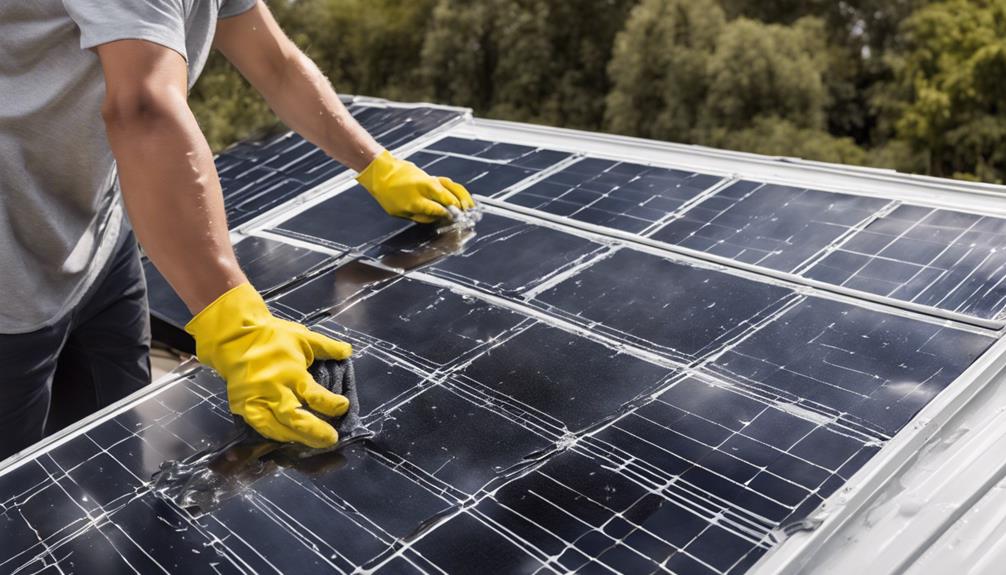
- Soiling and snow: Dirt, leaves, and snow reduce light reaching cells.
- Temperature: Higher temperatures can lower voltage and output.
- Equipment losses and degradation: Wiring, inverter efficiency, and gradual module degradation over years affect actual energy yield.
Do panels work during a power outage?
Most standard grid-tied PV systems are required to shut down during a utility outage for safety—this protects utility workers repairing lines. To provide power during an outage, a system needs additional equipment: a battery or another firm power source plus an inverter that can island the home safely (a backup-capable or grid-forming inverter and transfer equipment). Solar-plus-storage systems can be configured to supply selected circuits or whole-home backup depending on design.
PV terms to know
- PV cell / solar cell: The semiconductor device that converts light to DC electricity.
- PV module / solar panel: An assembly of many cells in a framed unit; “module” is the industry term.
- PV array: Multiple modules connected together.
- Inverter: Converts DC to AC and manages grid interaction.
- Solar-plus-storage: A PV system paired with batteries.
- Grid-tied / off-grid: Whether a system is connected to the utility grid or operates independently.
- Energy yield: Actual electricity produced over time.
Benefits and limitations
Solar PV can reduce the amount of electricity a home buys from the grid and avoid combustion emissions during operation. However, production is variable, installation and permitting requirements vary by location, export compensation rules differ by utility, and systems have lifecycle impacts from manufacturing and end-of-life disposal. Routine maintenance—keeping modules unshaded and reasonably clean—and choosing appropriate equipment for your site help maximize energy yield.
Conclusion
Solar panels (PV modules) convert sunlight to DC electricity via the photovoltaic effect, but a complete solar photovoltaic (PV) system—modules, inverters, wiring, controls, and optional batteries—determines how that electricity is used. Whether a system reduces your grid purchases, provides outage backup, or exports power to the grid depends on system design, equipment choices, and local rules.