Introduction
Homeowners considering solar can choose between conventional rooftop photovoltaic (PV) panels and roof-integrated products often called solar shingles, tiles, or building-integrated photovoltaics (BIPV). Both convert sunlight into electricity, but they differ in appearance, installation, performance, cost, and maintenance. The right option depends on your roof condition, budget, aesthetic preferences, local utility rules, and energy goals.
How residential solar PV works
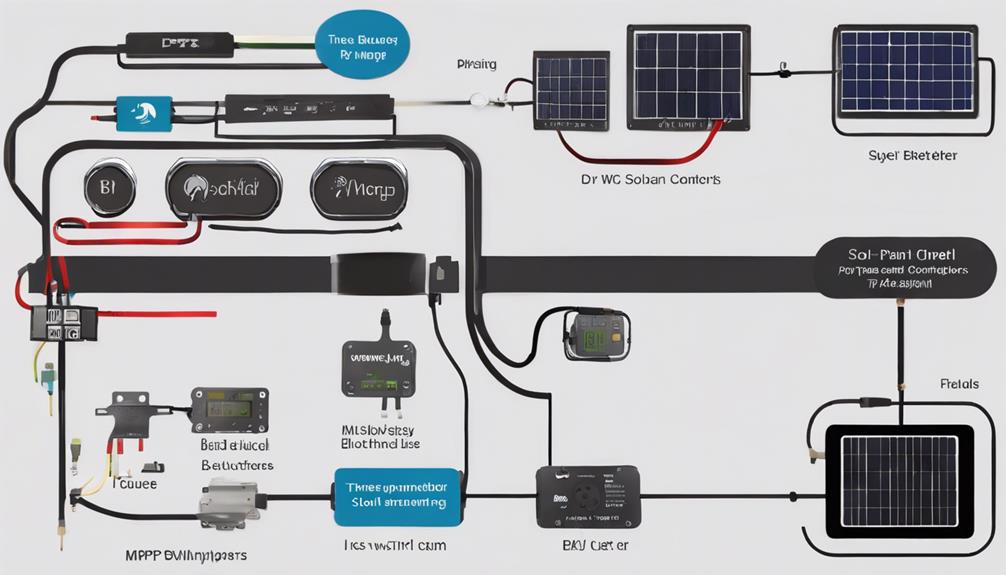
Solar photovoltaic (PV) cells use semiconductor materials to absorb sunlight and create direct-current (DC) electricity. PV modules (also called panels) are combined into an array, connected to an inverter that converts DC to alternating current (AC) for household use. A grid-tied system can send excess electricity to the utility; compensation for exports varies by utility and state. Note the difference between units: kW describes power capacity (how much the system can deliver at an instant), while kWh describes energy produced or consumed over time.
Conventional rooftop solar panels
Traditional rooftop systems mount PV modules on racking above the existing roof surface. Common characteristics include:
- Wide product and installer availability and more competition among brands.
- Generally simpler servicing and easier expansion or module replacement.
- Often higher power output per usable roof area for many products.
- Panels typically last 25 years or more, with gradual performance decline; inverters may need replacement sooner.
- Roof condition matters: an aging roof may need replacement before panels are installed to avoid rework.
What are solar shingles and solar tiles?
Solar shingles and tiles are forms of BIPV that combine roofing material with electricity generation. Instead of mounting modules on top of shingles, the PV function is integrated into roofing components.
Potential advantages and tradeoffs:
- Appearance: more integrated look that some homeowners prefer.
- Best timed for new construction or when a roof replacement is already planned.
- Product and installer options are more limited; compatibility with roof geometry is important.
- May cost more or produce less electricity per square foot than a conventional array, depending on the product and design.
- Repairs or partial roof work can require coordination between roofing and electrical specialists.
Comparing rooftop panels and solar shingles
| Aspect | Rooftop PV panels | Solar shingles / BIPV |
|---|---|---|
| Appearance | Mounted above roof, visible racking | Integrated into the roofline, lower visual profile |
| Installation approach | Racking attached to roof; straightforward replacement | Serves as roofing; requires roofing and electrical integration |
| Best timing | Any time if roof is in good condition | Ideal during roof replacement or new build |
| Power density | Often higher per area | May be lower for the same footprint |
| Availability | Many manufacturers and installers | Fewer product options and installers |
| Maintenance & repair | Easier access for service | May require coordinated roofing/electrical work |
| Expansion flexibility | Generally easier to expand | Expansion more complex |
Will solar keep my lights on during an outage?
Most grid-tied PV systems shut down during a utility outage for safety reasons. Panels alone usually do not provide backup power. To run loads during an outage you need a properly configured inverter and an on-site power source such as a battery (solar-plus-storage) or another approved generation and transfer system. Battery systems add cost and maintenance but can store daytime production for evening use and provide backup power sized to your needs. Whether batteries make financial sense depends on local rates, outage priorities, and export compensation rules.
Is my home suitable for solar?
Key factors that determine suitability include:
- Roof age and condition — replacing a roof after installing PV adds cost and complexity.
- Orientation and tilt — south-facing roofs often perform well in the U.S., but east/west can also work.
- Shade from trees, chimneys, or neighbors — shade can significantly reduce output.
- Usable roof area and roof shape — complex roofs limit array size and placement.
- Local sunlight levels and climate.
- Utility interconnection rules and export compensation (net metering varies by location).
How to compare the financial case
Compare purchase, loan, lease, and PPA options. Consider total cost of ownership, inverter/battery replacement, roof work, permitting, and interconnection fees. Do not rely on generic payback claims; ask for a written annual production estimate specific to your address and system design. Note: the federal Residential Clean Energy Credit under Section 25D is not available for expenditures made after December 31, 2025. State, local, and utility programs may still offer incentives; confirm current rules with official sources before making decisions.
Questions to ask contractors
- Can you provide multiple written bids and a site-specific annual production estimate (kWh)?
- What equipment and workmanship warranties are offered, and who honors them?
- Who handles permits, inspections, interconnection, and monitoring setup?
- How will roof issues be handled, and what happens if the roof needs replacement later?
- Do you offer battery options and what are battery lifecycle and replacement expectations?
- What are payment, financing, lease, or PPA contract terms and transferability if I sell my home?
- Can you provide references and proof of licenses, insurance, and any certifications?
Bottom line
Conventional rooftop PV is the most established, flexible, and broadly available option for U.S. homeowners. Solar shingles and other BIPV products can offer a cleaner aesthetic and make sense when a roof replacement or new build is planned, but they often come with higher cost and more complex servicing. Before deciding, get a roof inspection, multiple written bids, a site-specific production estimate, and a clear explanation of local utility rules and incentives. Avoid high-pressure sales, “free solar” claims, or guarantees that electricity bills will be eliminated without supporting evidence tailored to your situation.