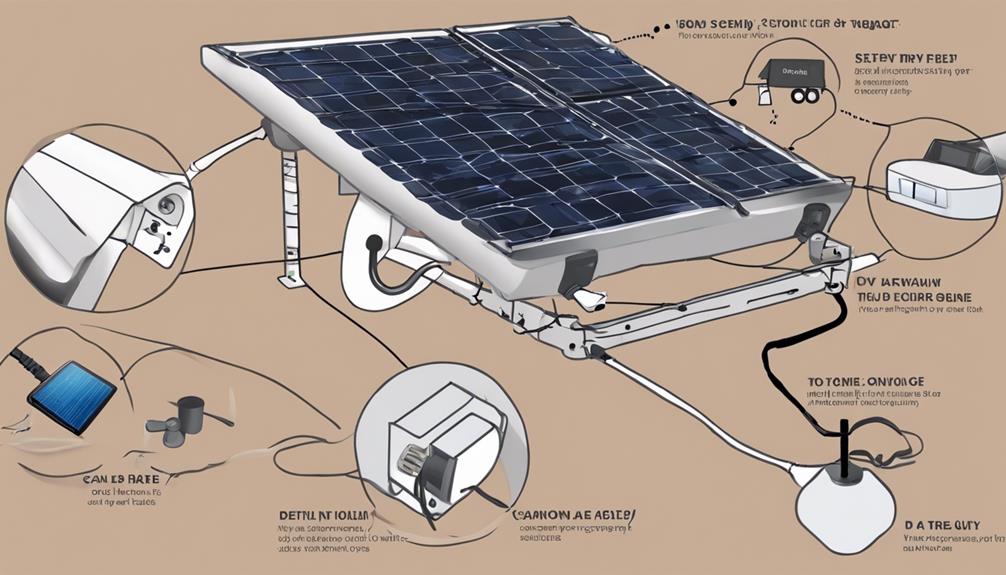
More Suffolk households and small businesses are considering rooftop solar photovoltaic (PV) to reduce electricity bills and cut carbon emissions. Whether solar is a good fit for a particular property depends on roof orientation, household use, planning constraints and the system design. This guide explains how solar PV works, what to expect in Suffolk, likely costs, planning and how to compare installers.
How solar PV works
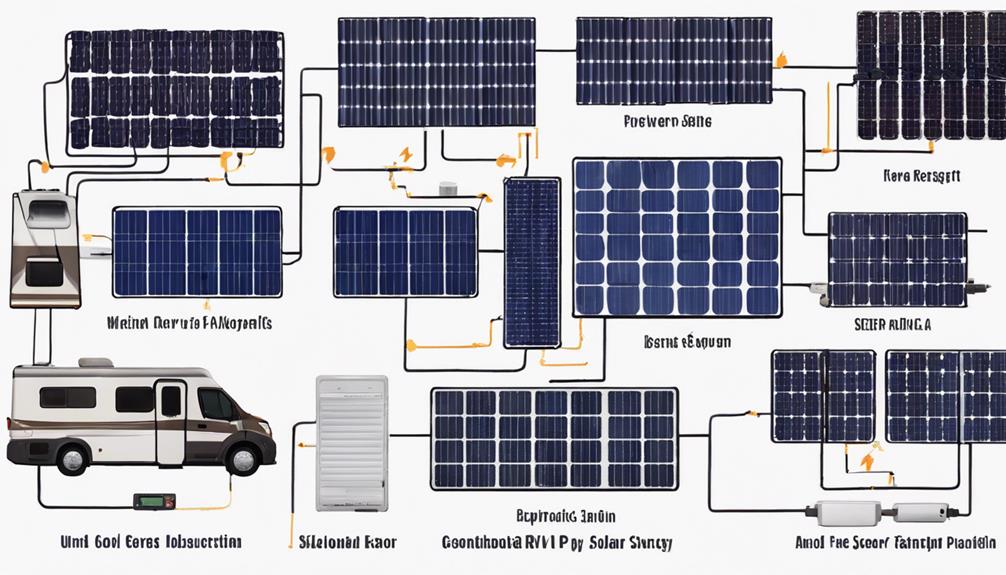
Photovoltaic (PV) panels convert daylight into direct current (DC) electricity. An inverter converts DC into alternating current (AC) your appliances use. Generated solar electricity can be used immediately (self-consumption), stored in a solar battery for later use, or sent to the grid as export.
Panels still produce electricity in cloudy conditions, although output is lower. Solar PV does not automatically provide power during a grid outage — backup requires specific battery equipment and system design.
Are Suffolk properties suitable for solar PV?
Many homes in East Suffolk, West Suffolk, Mid Suffolk, Babergh and Ipswich can host PV systems, but suitability depends on:
- Roof orientation and pitch: South-facing is often best, but east- and west-facing roofs can work with appropriate sizing.
- Shading: Trees, neighbouring buildings or chimneys can reduce generation.
- Roof area and condition: Enough unobstructed space and sound structure are required.
- Household or business electricity use: Higher daytime demand improves self-consumption.
- Planning constraints: Listed buildings, conservation areas or Article 4 Directions may restrict installations.
A qualified installer will assess shading, structural suitability and likely generation for your property.
How much do solar panels cost in Suffolk?
As a national benchmark, Energy Saving Trust (April 2026) gives an indicative average cost of around £6,100 for a 3.5 kWp domestic system. Local quotes can vary substantially due to roof access, scaffolding, system size, battery choice, inverter type and electrical work.
Cost drivers include:
- System size in kWp and panel type.
- Battery capacity and integration.
- Roof works, scaffolding and any structural reinforcement.
- Inverter quality and monitoring equipment.
- Installation complexity and warranties.
How much could you save and payback expectations
Savings depend on how much solar electricity you use on-site, import prices, export payments and system generation. Energy Saving Trust gives broad UK payback ranges of roughly 9 to 15 years for domestic systems — these are illustrative, not guaranteed for Suffolk properties.
To estimate potential savings, an installer will provide an annual generation estimate (kWh), your current electricity price, assumed self-consumption rate and any export income. Compare scenarios with and without a battery to see the impact on self-consumption and payback.
Do you need a solar battery?
A solar battery stores surplus daytime generation for evening use, increasing self-consumption. Batteries add upfront cost and complexity and do not remove seasonal reliance on the grid. Typical battery costs vary widely — broadly £1,500 to £10,000; a 5 kWh system is often cited around £4,600, depending on specification and installation.
Consider a battery if you have significant evening demand, are on time-of-use tariffs, or want partial backup (confirm the product’s backup capability and warranty). Check usable capacity, round-trip efficiency and expected warranty cycles.
Exporting surplus electricity and the SEG
Surplus electricity can be exported to the grid. Eligible small-scale generators can receive payments through the Smart Export Guarantee (SEG), but suppliers set their own rates and contract terms. Compare SEG offers and confirm whether an export meter or smart export arrangement is required.
Remember: money saved by using your own solar electricity and payments for exported electricity are separate financial benefits.
Planning, building regulations and local rules in Suffolk
Many rooftop solar installations fall under permitted development in England, but restrictions apply. Listed buildings, conservation areas, properties affected by Article 4 Directions or where permitted-development rights have been removed may need planning permission or a lawful development certificate. Ground-mounted systems and oversized installations often require full planning permission.
Always check with the relevant Suffolk local planning authority (East Suffolk, West Suffolk, Mid Suffolk, Babergh or Ipswich) before proceeding where there is any doubt.
Choosing a solar PV installer
Get at least three written quotations and verify credentials. Important checks include:
- Is the installer MCS-certified and able to provide MCS paperwork?
- Company history, references and insurance evidence.
- Product, workmanship and inverter warranties.
- Estimated annual generation and shading assumptions.
- Battery usable capacity, cycle warranty and replacement policy.
- Export arrangements and SEG advice.
- Electrical certificates, handover documents and monitoring access.
What to expect during installation
- Survey and roof assessment.
- System design and quotation.
- Permissions check and any planning or lawful-development applications.
- Scaffolding and mounting work, panel and inverter installation.
- Electrical testing, certification and grid connection arrangements.
- Handover, monitoring setup and warranty documentation.
Is solar PV worth considering for your Suffolk property?
Solar PV can reduce grid electricity purchases and lower carbon emissions, but the outcome depends on the specific property, usage patterns and local constraints. A property-specific survey and at least three detailed quotes are the best way to understand likely costs, generation and payback.
Get a tailored assessment
If you live or run a small business in Suffolk, request a property-specific solar assessment and compare written quotations from MCS-certified installers. Confirm planning, VAT treatment, SEG terms and any warranty details for your situation — do not rely on headline figures alone.
Disclaimer: This article provides general information only. Planning requirements, VAT relief, SEG tariffs and costs are time-sensitive and should be confirmed for your property and the current date.