Last updated June 25, 2026
Deck
This article separates Nikola Tesla’s verified achievements from popular myths, explains how sunlight (solar PV) can and does power electric motors today, and explains why claims for “magnetic free‑energy” or perpetual‑motion motors are not supported by physics.
TL;DR — Quick verdicts
- Nikola Tesla: a pioneering inventor in alternating current systems and high‑frequency devices, not a proven source of “free energy” for the public (Britannica).
- Solar PV: a real, proven way to convert sunlight into electricity that can run motors (inverters, controllers, and storage are part of practical systems; DOE).
- Magnetic “free‑energy” motors: claims that permanent magnets alone can produce continuous usable energy contradict conservation of energy and lack validated independent demonstrations (perpetual‑motion discussion, Britannica).
1. Nikola Tesla — what he really did
Nikola Tesla (1856–1943) made transformative contributions to electric power: polyphase alternating current (AC) systems, the induction motor, and laboratory devices such as the Tesla coil. He experimented with wireless power transfer and ambitious projects like Wardenclyffe, but Wardenclyffe was never completed or demonstrated as a global, costless power distribution system. Popular claims that Tesla “proved” or delivered free energy overstate the historical record (see Britannica and the Tesla museum overview).
2. How sunlight can power motors today
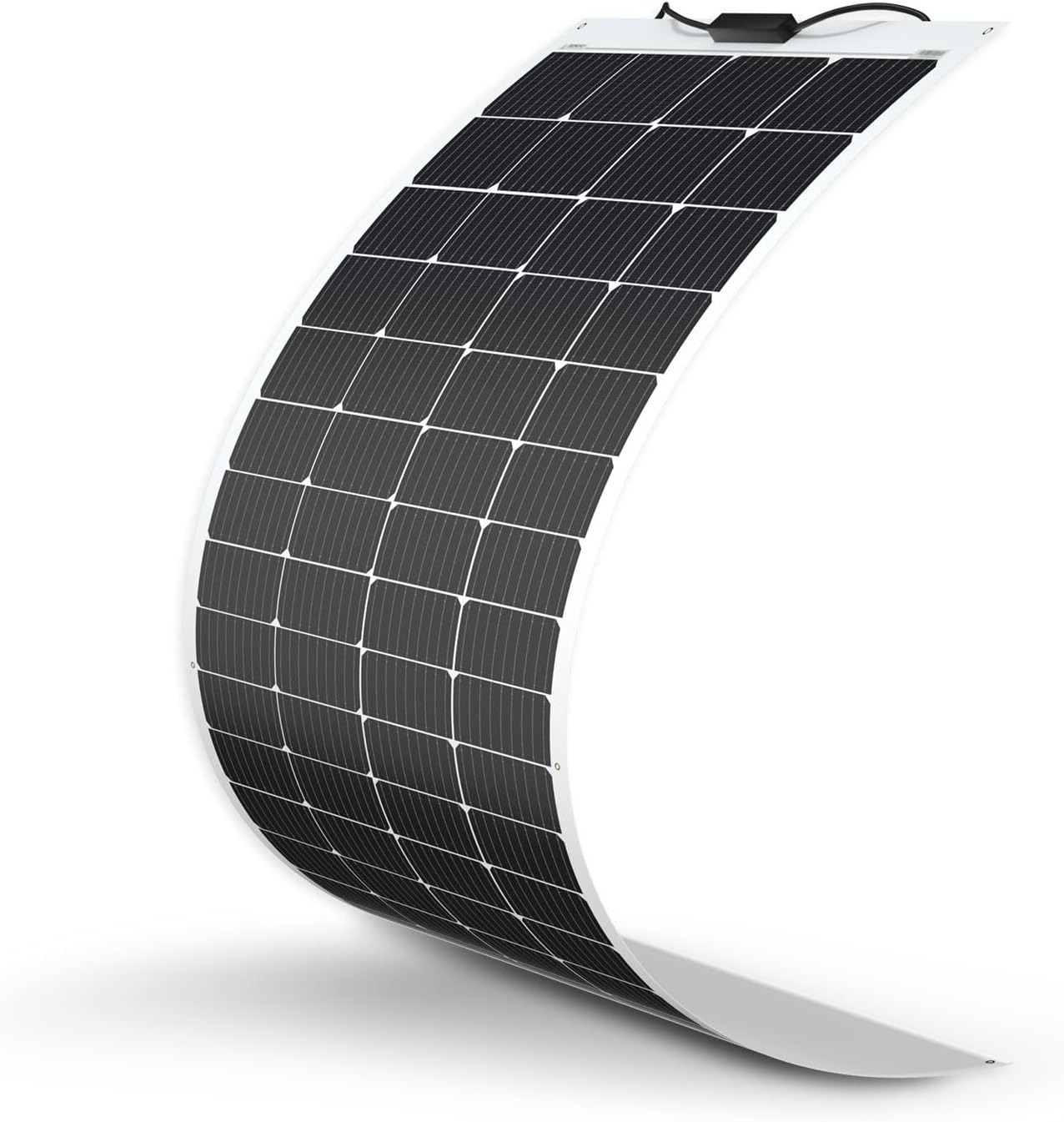
Solar photovoltaic (PV) modules convert sunlight directly into DC electricity via the photovoltaic effect. That electrical energy can then be used to drive motors in several common ways:
- Direct DC use: small DC motors or pumps can be powered directly by a PV array with an appropriate MPPT (maximum power point tracking) controller.
- Inverter + AC motor: solar DC → inverter → AC motor for standard industrial or household equipment.
- PV + battery + motor drive: batteries store energy for night or cloudy periods and provide stable power to motor controllers (common for off‑grid or critical loads).
These are established, widely deployed solutions — examples include solar water pumps for irrigation, solar‑assisted HVAC and fans, and electric vehicles charged by solar arrays. Practical system design considers panel sizing, inverter/motor efficiency, intermittency, and storage needs (U.S. Department of Energy guidance).
3. What people mean by “magnetic free‑energy” motors
Terms such as “magnet motor,” “overunity,” or “free‑energy device” typically describe claims that an arrangement of permanent magnets can deliver continuous usable work without an external energy source. That is effectively a perpetual‑motion claim.
Perpetual‑motion or overunity claims contradict the first and second laws of thermodynamics (conservation of energy and limits set by entropy). No reliable, independently verified demonstration exists showing a magnet‑only device that outputs more energy than is supplied to it. Historical and modern evaluations repeatedly identify hidden power sources, measurement errors, or misinterpretations when such claims are examined under controlled testing (see discussions of perpetual motion and skeptical reviews).
4. Legitimate permanent‑magnet motor technology
Permanent magnets are central to many efficient commercial motors — brushless DC (BLDC) motors and permanent‑magnet synchronous motors (PMSM) are used in appliances, robotics, and electric vehicles. These motors leverage strong magnets to improve torque and efficiency, but they require electrical input and proper control electronics to operate. Their real-world success is distinct from—and does not validate—claims of magnet‑only overunity.
5. How to evaluate extraordinary claims
If you encounter a purported free‑energy motor, apply rigorous standards before accepting it:
- Request full, repeatable measurements: input energy (voltage/current over time) and output (work, mechanical power, electrical output) measured with calibrated instruments.
- Look for independent, peer‑reviewed testing in accredited labs rather than vendor demonstrations.
- Watch for red flags: hidden batteries or wiring, vague efficiency numbers, appeals to conspiracy, or lack of published methods.
How to test claims — quick checklist
- Measure electrical input (V × I × time) and mechanical/electrical output with independent meters.
- Document the setup with photos, schematics, and raw data logs.
- Repeat tests under varied loads and conditions; submit to a qualified third‑party lab when possible.
6. Practical pathways if you want sunlight to run motors
- Grid‑tied PV + inverter: simplest for stationary loads where grid backup is available.
- PV + battery + motor drive: for off‑grid pumps, remote equipment, or when continuous availability is required.
- Consult qualified designers for sizing: estimate average load (kW), duty cycle, solar resource, and storage needs; include safety and regulatory compliance.
7. Conclusion
Nikola Tesla remains an important and inventive figure in electrical engineering, but historical claims that he delivered “free energy” are unsupported. Solar PV is a mature technology that legitimately converts sunlight into electricity capable of running real motors when combined with appropriate controllers and storage. Claims that permanent magnets alone can produce continuous usable energy (magnetic free‑energy motors, overunity devices) conflict with well‑tested physical laws and have not withstood independent validation.
FAQ — brief answers to common questions
Did Tesla invent free energy?
No. Tesla invented and advanced many electrical technologies (AC systems, induction motors, the Tesla coil), but he did not demonstrate a practical, unrestricted free‑energy system for public use; some of the myths about Wardenclyffe and global wireless power overstate the record (Britannica, Tesla museum).
Can I run my pump or EV directly from solar panels?
Yes — with the right equipment. Small DC pumps can run directly from PV plus an MPPT controller; larger systems typically use inverters, motor drives, and sometimes batteries. Proper sizing and controllers are essential for reliable performance.
Should I buy a product that claims to be a magnetic free‑energy motor?
Be cautious. Such products should be treated skeptically unless supported by transparent, repeatable independent testing from accredited laboratories. Avoid purchasing kits or plans that claim to violate conservation of energy.
For authoritative background reading: Britannica on Nikola Tesla and perpetual motion, the Tesla museum for Wardenclyffe context, and the U.S. Department of Energy for practical solar PV guidance.
Editorial note: this page corrects legacy inaccuracies and aims to promote evidence‑based discussion of historical invention and modern renewable energy options. Updated June 25, 2026.