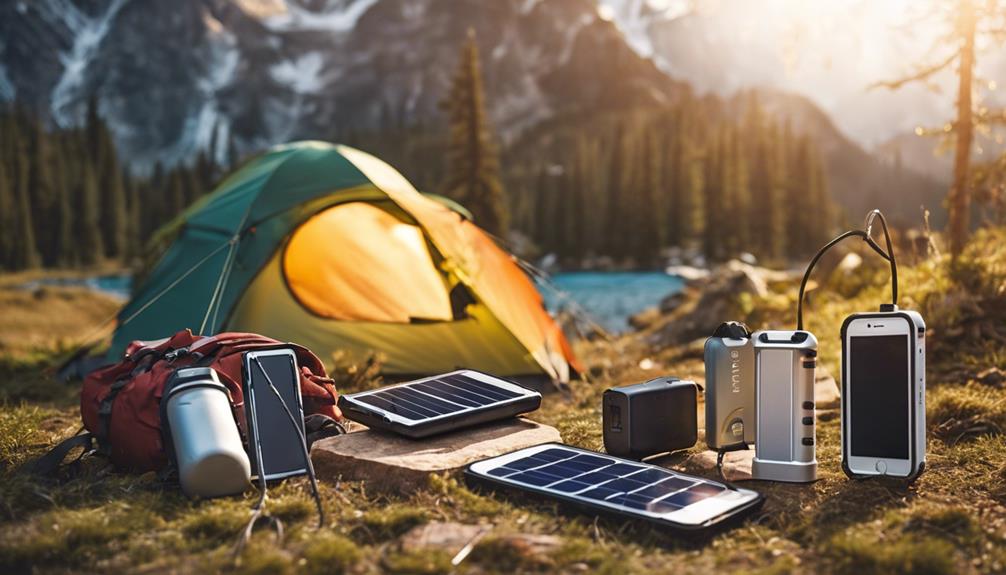
Portable solar panels for camping let you keep phones, lights, cameras and portable power stations topped up off-grid. This guide explains panel types and sizes, realistic output (STC vs NOCT), pairing with power stations, setup tips, and a simple sizing method so you can pick the right kit for weekend trips or longer overland adventures.
When and why to bring portable solar
Bring a portable solar panel if you need reliable daytime charging, want to extend a power station’s runtime, or are staying at basecamp for more than one day. Common use cases: phones and tablets, camp lights, camera batteries, small fridges, CPAP machines (check device power needs), and recharging a portable power station for overnight use.
Quick decision checklist
- Trip length: day hike vs multi-day basecamp?
- Devices: list Wh/day for each device (see sizing below).
- Weight limit: ultralight hikers prefer 10–30 W solutions; car campers can carry 100 W+ panels.
How portable solar works (short primer)
Panel ratings are given at Standard Test Conditions (STC) — lab numbers that overstate real-world output. Use NOCT/NMOT or apply a realistic factor: expect roughly 70–85% of STC on a clear day (typical, varies with sun/angle/temperature) and much less in heat, partial shade, or cloudy skies (10–25% of peak on overcast days) (NREL; EnergySage). MPPT charge controllers are more efficient than PWM controllers, especially when panel voltage exceeds battery voltage; MPPT is recommended when charging portable power stations or battery banks.
Panel types and trade-offs
Understanding common panel types helps pick the right balance of efficiency, weight, and durability:
- Monocrystalline — highest efficiency (best watt-per-area), common for foldable panels and rigid packs.
- Polycrystalline — slightly lower efficiency, usually cheaper.
- Thin‑film / flexible — very packable and light, but typically lower efficiency and shorter lifespan; good where conformability matters.
- Bifacial — captures reflected light from behind; useful when ground/reflective surfaces increase yield but less common in portable kits.
Sizing your system: a simple step-by-step
- List devices and their Wh/day (phone ≈ 5–20 Wh, camera battery ≈ 10–30 Wh, small fridge ≈ 300–600 Wh/day depending on duty cycle).
- Sum daily Wh to find energy need.
- Choose battery capacity (Wh) to cover nights and cloudy days — 2–3× single-day need is common for peace of mind.
- Select panel(s) so daytime solar can reasonably recharge the battery: use a realistic panel output (e.g., a 100 W foldable often yields ~70–90 W in good sun — typical, varies) and account for available sun hours.
Example kits
- Ultralight day hikes: 10–30 W solar charger + small USB power bank — intended for occasional phone top-ups.
- Weekend basecamp: 50–100 W foldable panel + 300–600 Wh power station — practical for lights, phone, camera, small fridge.
- Extended trips / RV: 200–400 W portable array + 1,000+ Wh battery — better for sustained fridge use and multiple appliances.
Sample recharge math: a 500 Wh battery + 100 W panel. If the panel averages 80 W in good sun (typical, varies), full recharge ≈ 500 / 80 = ~6.25 hours of peak sun. Expect longer if cloud cover, poor angle, or high temperature reduce output.
Setup & best practices
- Orient panels toward the sun and tilt to season/latitude for maximum yield; avoid partial shading (one shaded cell can drop an entire string).
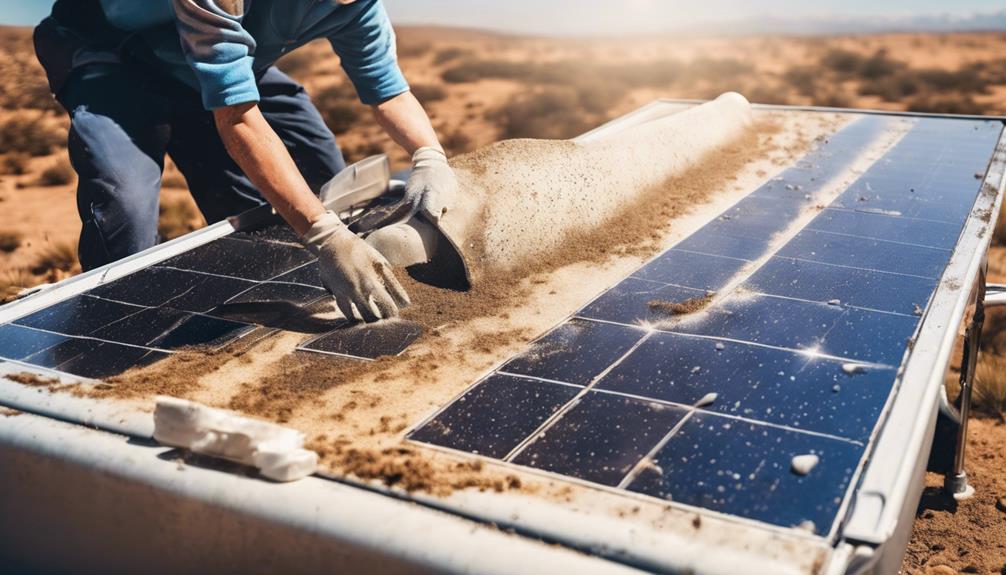
- Keep panels cool and clean — high temperatures reduce output (temperature coefficient matters).
- Use MPPT-enabled inputs on power stations when available; check the station’s maximum solar input rating before connecting multiple panels.
- Use proper cables and connectors (MC4 is common for larger panels). Verify polarity and connector compatibility before purchase.
- Check IP rating for weather resistance (IP65–IP67 common on portable panels); protect exposed DC connections from rain and dust.
Pairing with a portable power station
Most users pair panels with a portable power station (solar generator). Key checks: the station’s max solar input (W), supported voltages, and whether it uses MPPT. If you plan multiple panels in series/parallel, confirm the combined voltage/current stays within the station’s limits and use appropriate MC4 adapters or cables. MPPT-equipped stations will extract more energy than PWM-based inputs (typical, varies by model).
Maintenance, safety & troubleshooting
- Store panels dry and folded according to manufacturer instructions to avoid creasing flexible cells.
- Inspect connectors and cables for corrosion or fraying; clean contacts if needed.
- If output is low, check angle, shade, dirt, and panel temperature; test with a controlled load and a multimeter if you know how.
- Respect DC wiring safety: avoid exposed live contacts, use correct polarity, and follow the manufacturer’s cable and fuse recommendations.
Buying checklist
Compare specifications, not marketing copy. Key specs to compare:
- Rated wattage (STC) and any NOCT/NMOT figures
- Ports: USB-C PD wattage, USB-A, 12 V, MC4
- Weight and folded dimensions
- IP rating and build durability
- Warranty and real-world performance tests (reviews)
- Compatibility with your power station: max solar input and accepted connector types
FAQ & myth-busting
Q: Will a 100 W panel always produce 100 W?
A: No — STC is a lab rating. Expect roughly 70–85% of STC in typical field conditions and far less in clouds or poor angle (typical, varies) (NREL).
Q: Can I rely on solar without a battery?
A: Not for night use. Solar should charge a battery/power station for overnight or intermittent needs.
Next steps
Calculate your devices’ Wh/day, pick a battery that covers nights/cloudy days, and choose panels sized so daytime sun can reasonably top the battery in available daylight. Re-check connectors (MC4 vs proprietary) and MPPT support on your power station before buying. Update your kit annually as PD and controller tech evolve.
Last updated: June 20, 2026.