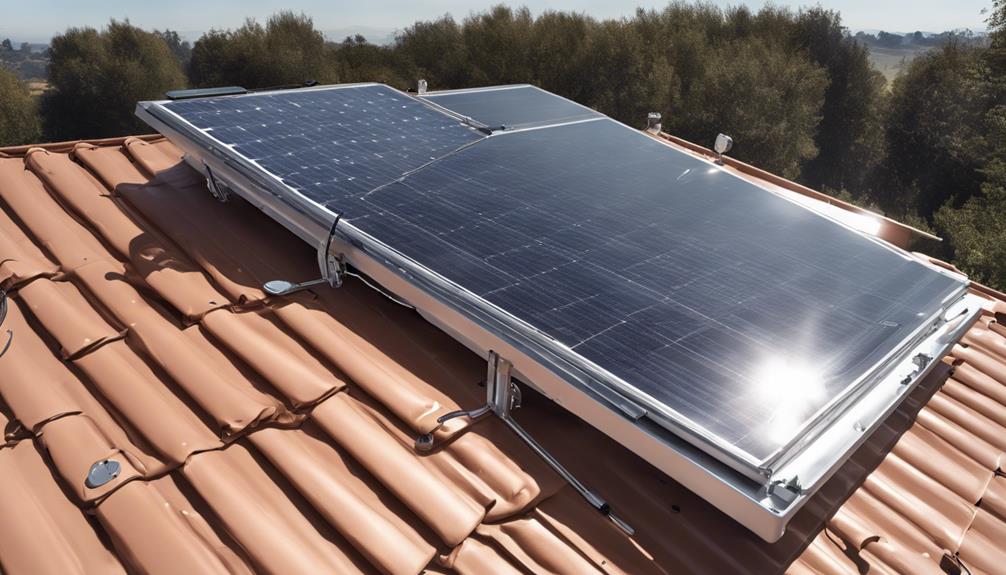
Introduction: Solar can help, but it isn’t one-size-fits-all
Rooftop solar photovoltaic (PV) systems can produce electricity for your home, lower the amount you buy from the utility, and reduce operational emissions. Whether it’s worthwhile depends heavily on your roof, local sunlight, utility rules, and how you plan to pay for the system. This article explains what rooftop solar does, the main advantages and drawbacks, and the questions to ask before you sign an installer contract.
What a residential solar PV system actually does
A rooftop solar PV system converts sunlight to direct-current electricity at the panels; an inverter turns that into the alternating current your home uses. During sunny hours the system can supply household loads directly (self-consumption). If the system produces more than you use, excess electricity is exported to the grid under your utility’s interconnection and export-compensation program. At night or when production is low you import electricity from the utility unless you have battery backup.
Potential advantages
- Reduced utility purchases: Properly sized systems can lower the electricity you buy from the grid, but the amount saved depends on production, household use patterns, and utility rates.
- Lower operational emissions: Solar PV produces no direct emissions while operating. Replacing grid electricity with PV can reduce associated greenhouse-gas emissions, though manufacturing and end-of-life impacts exist.
- Improved resilience with storage: Solar-plus-storage can provide backup during outages if the system and battery are configured for islanding and backup loads.
- Low routine maintenance: PV systems have few moving parts. Monitoring is important and inverters or other components may require service during the lifetime.
- Alternatives exist: Community solar can give renters or people with unsuitable roofs access to solar benefits without on-site panels.
Potential disadvantages and trade-offs
- Upfront cost and financing obligations: Installation involves equipment, labor, permitting, interconnection, and sometimes electrical upgrades or roof work. Financing terms strongly affect economics.
- Variable production: Output depends on roof orientation and tilt, shading, local climate, and seasonal patterns. Snow, heavy clouds, or shade can reduce generation.
- Utility-policy uncertainty: Export compensation varies—some utilities use net metering, others use net billing or avoided-cost credits. Exported electricity may be credited at a lower rate than what you pay for electricity.
- Roof and equipment considerations: Installing on an older roof can mean extra removal and reinstallation costs when the roof needs replacing. Panels gradually degrade (a commonly cited median degradation is about 0.5% per year) and inverters typically require replacement sooner than panels.
- Battery costs and lifespan: Batteries add resilience but also cost and eventual replacement expenses.
- Weather and damage risks: Hail, wind, ice, or falling branches can damage components; review warranties and insurance coverage.
- Appearance and permitting: Visibility, local rules, shading from neighborhood trees, or historic-district restrictions can affect feasibility.
How climate and roof conditions affect results
Site-specific solar resource (annual irradiance), roof orientation and tilt, shading from trees or neighboring structures, and roof condition matter more than a simple “sunny” label. Cold temperatures do not prevent PV from working; modules can be efficient in cool weather, but snow cover, storms, and long cloudy seasons change annual production. A professional production model that accounts for local weather, shading, and system losses is essential for realistic estimates.
Incentives, export compensation, and federal tax credit
Incentives and export rules vary widely by state and utility. Some customers receive full retail credits for exports; others receive lower rates under net billing. Check your utility tariff for details. Note: the current IRS guidance says eligible property must have been installed by December 31, 2025, for the federal Residential Clean Energy Credit. State, local, and utility incentives may still be available but are location-specific and change over time. Consult official sources or a tax professional for current, personalized advice.
Maintenance, equipment life, and monitoring
Residential PV generally operates for decades; DOE and industry sources commonly model 20–30 years of life for systems, with inverters typically replaced sooner than panels. Routine maintenance needs are limited but not zero: performance monitoring, occasional cleaning where dust or pollen reduces production, inverter checks, storm inspections, and warranty-handling may be required. Understand warranty terms, expected degradation, and who is responsible for repairs.
Questions to ask before signing
- How old is my roof, and will the installer remove and reinstall panels for future roof work?
- What is the modeled annual energy production for my address, and what software and assumptions were used?
- How does my utility compensate exported electricity (net metering, net billing, avoided-cost rates)?
- What happens during a grid outage—will I have backup power, and what does that cost?
- Who owns the system (purchase vs. lease vs. PPA) and what are transfer rules at sale?
- What are the equipment warranties, expected degradation rate, and inverter replacement plan?
- What financing options and total costs over the loan term have you modeled?
Decision checklist
- Roof is in good condition and not due for replacement soon.
- Roof area has limited shade and a favorable orientation for your location.
- Your utility’s export compensation and electricity rates make self-consumption valuable.
- You understand financing terms, warranties, and long-term maintenance responsibilities.
- You have considered solar-plus-storage if backup power is a priority and budget allows.
Bottom line
Rooftop solar PV can be a strong fit for homeowners with a well-sited roof, favorable utility policies, and a clear ownership or financing plan. It can reduce electricity purchases and operational emissions and provide resilience with batteries. But it’s not automatically the best choice for every property—shade, roof age, low export credits, or high financing costs can make alternatives (including community solar) more sensible. Get a site-specific production estimate, review your utility’s export rules, and ask the questions above before you decide.